
-
 @KamakaDias8/InstagramAs the Peace Corps marks its 65th anniversary, podcaster and former Peace Corps volunteer Kamaka Dias reflects on his time volunteering in Madagascar.
 -
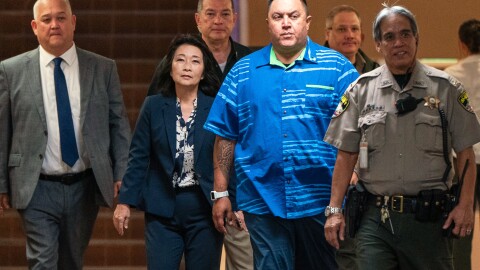 Craig Fujii/Civil Beat via APRetired federal public defender Ali Silvert explains why lawmakers are pushing to convene a special session in light of the bribery case involving Lt. Gov. Sylvia Luke.


-
 Two Lahaina boat captains have won over a million dollars on a national TV game show. HPR’s Catherine Cluett Pactol caught up with the couple to learn about their experience and how the money has changed their everyday life. Spoiler alert: it hasn’t!
 -
 The Kekaha Landfill is projected to be full by November 2030, and a vertical expansion project is underway. Recyclable material is brought to the landfill, meaning a recycling program could potentially reduce how much waste makes its way there.
 -
 Four defendants in Hawaiʻi's high-profile government bribery case have pleaded not guilty to their charges.
 -
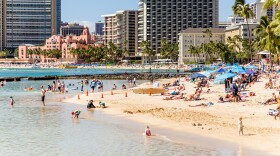 The 2026 plan was influenced by dozens of community input sessions and state agency discussions, resulting in three key pillars: brand marketing, experience development and tourism leadership.
 -
 Higher fuel costs as a result of the Iran War are affecting everyone. HPR’s Savannah Harriman-Pote reports on how the islands’ public transportation agencies are dealing with the increase.
 -
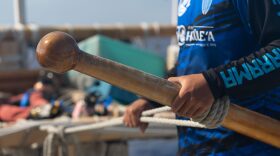 The Polynesian Voyaging Society announced Wednesday the change of plans for the Moananuiākea Voyage is because of strong El Niño conditions, and the voyage will be extended for another year.
 -
 The state has approved an interim rule that restricts imports to Maui and Lānaʻi, as part of an effort to keep the invasive coconut rhinoceros beetle from establishing on those islands.
 -
 Caroline McKenzie, president of the Returned Peace Corps Volunteers of Hawaiʻi, marks the 65th anniversary of the Peace Corps after lobbying in Washington D.C. for the organization's continued funding.
 -
 Former University of Hawaiʻi head swim coach Jans Prins breaks down the biomechanics of swimming in his new book, “Freestyle Biomechanics.”
 -
 The state DOE has a goal of hitting 30% locally sourced ingredients in school meals by 2030. As of November, only 7% of ingredients were sourced in Hawaiʻi.


