

Derrick Malama
Local News Host, Morning EditionDerrick Malama is the local anchor of Morning Edition, which airs weekday mornings from 5 to 9 am on HPR-1. For 19 years, he also hosted Kanikapila Sunday on HPR-1.
-
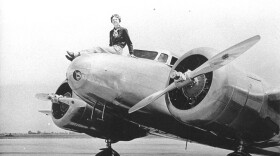 A U.S. expedition traveled to a remote Pacific island hoping to solve the mystery of what happened to legendary aviator Amelia Earhart. The answer wasn't quite the one they were looking for. HPR's Derrick Malama has more in the Pacific News Minute.
 -
 A team of U.S. researchers has arrived at a remote Pacific atoll hoping to solve a lingering mystery. They're looking for evidence that legendary aviator Amelia Earhart crash landed there in 1937. HPR's Derrick Malama has more in the Pacific News Minute.
 -
 The World Bank is backing a series of measures to improve the economy of Tonga. The Pacific Island nation is facing a number of challenges, and the first goal is to help with job creation. HPR's Derrick Malama has more in the Pacific News Minute.
 -
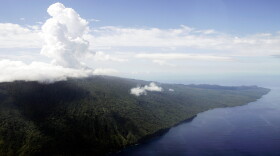 There are calls for change in the maritime system of Vanuatu following the deaths of dozens of people in recent boating tragedies. HPR's Derrick Malama has more in the Pacific News Minute.
 -
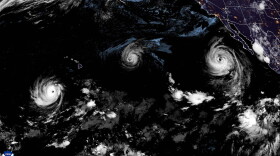 The hurricane is expected move close to the state late Monday. Storm surge, wind and rain will impact the state early next week, particularly for Kauaʻi County.
 -
 Kiribati could be close to amending its constitution to stop future governments from switching diplomatic recognition back to Taiwan. HPR's Derrick Malama has more in the Pacific News Minute.
 -
 A legal environmental team is working with a group in Hawaiʻi to sue the U.S. government over an issue in the Pacific Islands. They want to stop the Trump Administrationʻs plan to auction off sections of water surrounding American Samoa for potential deep-sea mining. HPR's Derrick Malama has more in the Pacific News Minute.
 -
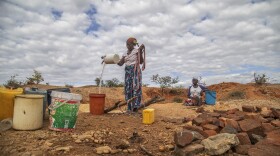 As Hawaiʻi continues to clean up in the aftermath of Hurricane Lala, several countries in the South Pacific are dealing with drought as a result of the climate pattern of El Niño. HPR's Derrick Malama has more in the Pacific News Minute.
 -
 Listen to Derrick Malama's 2010 interview with two renowned musicians: Jeff Peterson and Amy Hanaiali‘i. They talk about collaborating on an album with an all-star line-up of slack key masters.
 -
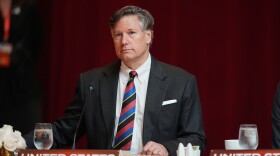 The U.S. Deputy Secretary of State recently met with the Solomon Islands Prime Minister to discuss deepening ties. HPR’s Derrick Malama has more in the Pacific News Minute.


