

Hawaiʻi Public Radio’s coverage of the 2026 legislative session includes the latest on bills from inside the Hawaiʻi State Capitol, interviews with state lawmakers, and updates from Gov. Josh Green.
-
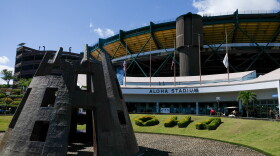 The late artist Satoru Abe's Volcano sculpture has been at Aloha Stadium for the last 45 years.
 -
 On the eve of the 2026 primary election, The Conversation highlights past stories about engaging in the democratic process.
 -
 Recent departures at the state Legislature will lead to new lawmakers this year. It's one of the best opportunities for newcomers to win elections in Hawaiʻi.
 -
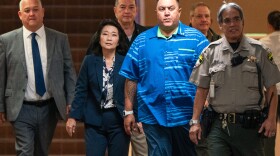 Retired federal public defender Ali Silvert explains why lawmakers are pushing to convene a special session in light of the bribery case involving Lt. Gov. Sylvia Luke.
 -
 Hawaiʻi's Good Government Caucus, made up members from both chambers and both parties, is calling for an emergency special session to address corrupt campaign finance amid the ongoing bribery scandals.
 -
 HPR interviews Hawai’i residents to hear their reactions to the new age restriction on truck bed-riding.
 -
 A grand jury indicted Lt. Gov. Sylvia Luke and four others on felony bribery charges stemming from an alleged 2022 incident.
 -
 John Choi said he decided to run after seeing many powerful Democrats rally behind Kauaʻi Mayor Derek Kawakami.
 -
 The upcoming elections will bring big changes in representation for residents in Chinatown, Iwilei and Liliha areas.
 -
 Sen. Karl Rhoads, longtime chair of the Senate Judiciary Committee, looks back on his career after 20 years of service in the state Legislature.


