-
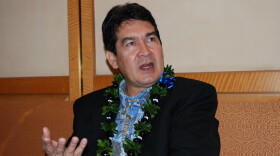 Economist Paul Brewbaker talks AI and Hawaiʻi's economy as the 2026 Hawaii Economic Association Conference kicks off.
 -
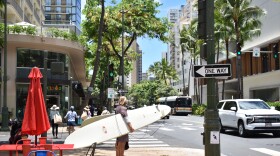 David Uchiyama, chief administrative officer of the Hawaiʻi Tourism Authority, shares how the state is handling the flow of visitors after Hurricane Lowell.
 -
 Hawaiian Electric Company VP of Communications Jim Kelly shares the latest on Kauaʻi’s recovery efforts; HPR returns with the latest installment of Homeroom Hawaiʻi.
 -
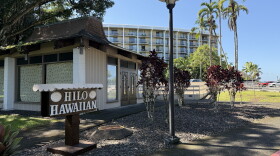 Hawaiʻi island lawmakers are considering increases to wastewater service charges — including new, even higher rates specifically for hotels.
 -
 A visitor attraction on Oʻahu’s North Shore is about to get a multimillion-dollar renovation. And one focus is education. We get more on that story from Pacific Business News Editor-in-Chief Janis Magin.
 -
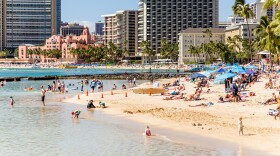 The 2026 plan was influenced by dozens of community input sessions and state agency discussions, resulting in three key pillars: brand marketing, experience development and tourism leadership.
 -
The Hawaiʻi Tourism Authority plans to use a new strategy that prioritizes visitor spending over arrivals. HPR's Bill Dorman has more in today's Asia Minute.
-
 Jerry Gibson, president of the Hawaiʻi Hotel Alliance President, forecasts a pause in the state’s tourism industry as the yen hits a new low.
 -
 International military officials share their thoughts as RIMPAC 2026 concludes; Deputy State Epidemiologist Dr. Nathan Tan explains the recent national outbreak Cyclosporiasis
 -
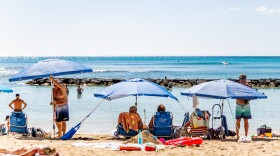 Hawaiʻi's hospitality industry is seeing a new kind of visitor in Generation Z. How they travel could bring changes to the state's largest private industry. We get more on that story from Pacific Business News Editor-in-Chief Janis Magin.

© 2026 Hawaiʻi Public Radio
Play Live Radio
Next Up:
0:00
0:00
Available On Air Stations


