-
 Aloun Kauaʻi Farming is making the request to the Agribusiness Development Corporation for the three-year recovery package. It would help AKF with more than 530 acres of land used for farming, and about 140 acres for the Kauaʻi Shrimp farm.
 -
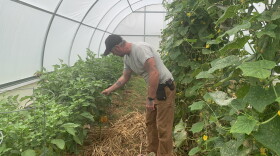 The Hawaiʻi Farmers Union’s annual convention will hone in on disaster recovery and preparing the state's food system for storms.
 -
 HDOT Deputy Director Dre Kalili shares in the celebration of the Aloha Tower’s grand reopening; see how a cellphone ban is going over with school students on another installment of Homeroom Hawaiʻi.
 -
 Vince Kimura, of Leeward Community College’s Future Harvest, talks about an upcoming five-week program to foster career skills for farmers.
 -
 The state could receive up to $45 million in a new settlement with the Monsanto Company and its affiliates for making and selling polychlorinated biphenyls, chemicals that have leaked into and contaminated Hawaiʻi’s natural resources.
 -
 Mānoa Chocolate founder Dylan Butterbaugh shares how his business has fared with this year’s storms and tourism decline.
 -
 Melissa Price, an associate professor with the UH College of Tropical Agriculture and Human Resilience, studies the impact of invasive deer species in Hawaiʻi.
 -
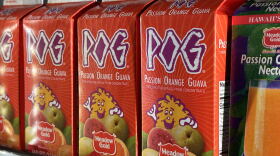 Kaʻala Souza talks about his organization, Māpunawai, and its goal to promote digital literacy across the state; HPR ponders the popularity of POG that’s propagating across the Pacific.
 -
Kaʻala Souza talks about his organization, Māpunawai, and its goal to promote digital literacy across the state; HPR ponders the popularity of POG that’s propagating across the Pacific.
-
 One-year import restrictions to slow the spread of invasive coconut rhinoceros beetles have passed for Maui and Lānaʻi, but frustrations remain as similar rules for Molokaʻi expire.

© 2026 Hawaiʻi Public Radio
Play Live Radio
Next Up:
0:00
0:00
Available On Air Stations


