-
 Molokaʻi residents fight to renew import restrictions aimed at keeping coconut rhinoceros beetle off island.
 -
 State specialists say that the coqui frog infestation in Pālolo Valley is worsening despite containment efforts.
 -
 There’s a renewed interest in managing one of Hawaiʻi’s most ubiquitous pests — fruit flies.
 -
 The Molokaʻi-Maui Invasive Species Committee found a dead beetle in a trap at the Kaunakakai Harbor Tuesday morning, according to a news release by the state Department of Agriculture and Biosecurity. The trap was empty the last time it was checked on March 30.
 -
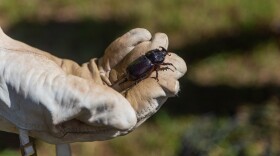 The state Board of Agriculture and Biosecurity has approved new measures to limit the spread of coconut rhinoceros beetles on Hawaiʻi Island.
 -
 Hawaiʻi Agriculture and Biosecurity officials discuss the challenges the department faces and the criticisms it's received over handling of invasive species infestations.
 -
 The state Board of Agriculture and Biosecurity deferred a request to allow gravel to be shipped to Molokaʻi, reinforcing an import ban on the island meant to keep out the invasive coconut rhinoceros beetle.
 -
 A bill at the state Legislature would create a program supporting the production of virus- and pest-free plants to potentially reduce the spread of invasive species and diseases.
 -
 The Board of Agriculture and Biosecurity plans to move ahead with new measures to limit the spread of invasive coconut rhinoceros beetles on Hawaiʻi Island. The current infestation on the Kona coast started in March 2025.
 -
 The Hawaiʻi Wildlife Fund and Pōhaku Pelemaka submitted a joint petition earlier this month asking for officials to regulate the movement of CRB host materials around the island.

© 2026 Hawaiʻi Public Radio
Play Live Radio
Next Up:
0:00
0:00
Available On Air Stations


