-
 University of Hawai’i medical student researchers Heather Zimmerman and Krystal Xie share a new study around Hawaiʻi’s above average melanoma rates.
 -
 Act 235 ensures extra grants and scholarships do not hurt the amount of aid a student is eligible for under the Hawaiʻi Promise Program.
 -
 University of Hawaiʻi Cancer Center Director Naoto Ueno spoke to HPR's Maddie Bender about the new Ho‘ōla Early Phase Clinical Research Center.
 -
 Vassilis Syrmos, the new Chancellor of the University of Hawaiʻi at Mānoa, spoke with HPR about his career in higher education and his ambitions for his new role.
 -
 Vassilis Syrmos, the new Chancellor of the University of Hawaiʻi at Mānoa, speaks with HPR about his new role; Honolulu street psychiatrist Chad Koyanagi shares his story helping those suffering on the streets.
 -
 A University of Hawaiʻi pilot program to test new wastewater technologies may lose out on more than half a million dollars in state funding due to a miscommunication about when the money needed to be spent.
 -
 The Hawaiʻi Climate Data Portal's monthly roundup puts the latest information on rainfall, temperature and drought all in one place.
 -
 University of Hawai’i researchers were awarded over $2 million to support the next phase of a Maui wildfire study. The Maui Learnings to Overcome Adversities study examines long-term impacts of the 2023 wildfires and seeks to improve post-disaster well-being.
 -
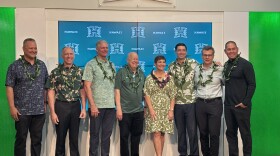 The University of Hawaiʻi athletics program secured $5 million in funding for its Name, Image and Likeness program to recruit and retain student athletes.
 -
 There’s a renewed interest in managing one of Hawaiʻi’s most ubiquitous pests — fruit flies.

© 2026 Hawaiʻi Public Radio
Play Live Radio
Next Up:
0:00
0:00
Available On Air Stations


